
shell
ผู้เยี่ยมชม
benducket3211@gmail.com
Can Outdoor Digital Signage Help Businesses Attract More Attention in Busy Public Spaces? (11 อ่าน)
3 ส.ค. 2569 15:34
Outdoor digital signage is becoming an increasingly important technology for businesses, organizations, and public facilities that want to communicate with people in outdoor environments. Traditional signs can deliver a fixed message, but modern outdoor digital displays provide a more flexible approach by allowing businesses to show advertisements, promotions, videos, announcements, directions, menus, and real-time information on electronic screens.
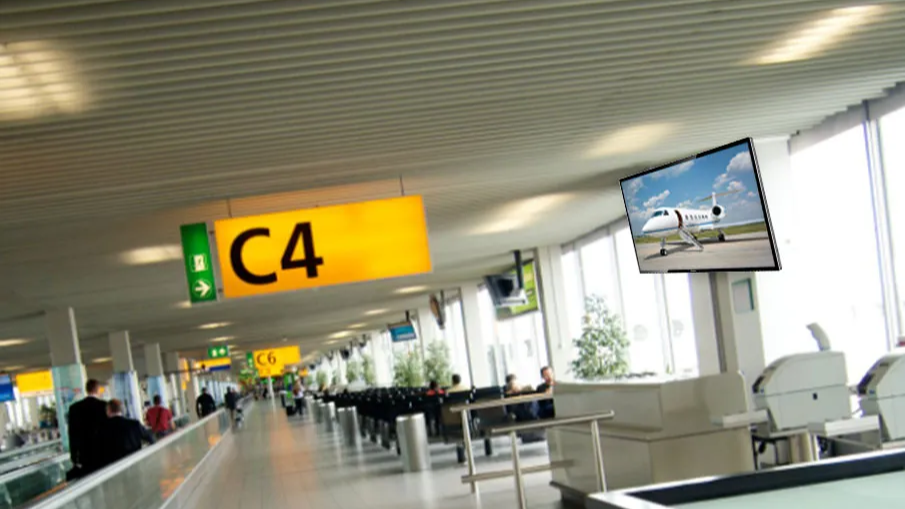
As competition for customer attention continues to increase, businesses need communication methods that are clear, attractive, and adaptable. Outdoor digital signage can combine bright visuals, motion graphics, video content, and branded messaging to create a stronger presence in busy areas. Retail stores, restaurants, shopping centers, hotels, entertainment venues, schools, transportation facilities, and corporate properties can all use digital outdoor displays for different communication purposes.
Another important advantage is content flexibility. Instead of printing a new poster whenever a campaign changes, businesses can update digital signage content through software. A single screen can display multiple advertisements or messages at different times, making outdoor digital signage a practical solution for organizations that regularly update their promotions.
Outdoor Digital Signage Improves Visibility and Brand Presence
Outdoor environments can be visually crowded, with buildings, vehicles, pedestrians, billboards, storefronts, and other signs competing for attention.Outdoor digital signage can help businesses create a more noticeable visual presence through bright screens and dynamic content.
High-brightness digital displays are particularly important for outdoor installations. Direct sunlight can make ordinary screens difficult to see, so commercial outdoor displays are designed with brightness levels suitable for brighter environments. Some systems can also adjust brightness automatically according to surrounding light conditions.
Outdoor LED displays are another popular solution for large-scale communication. LED technology can support highly visible content in locations such as shopping districts, stadiums, public spaces, storefronts, and transportation areas. Large digital screens can display advertisements, promotional videos, event information, and branded content while reaching audiences from greater viewing distances.
Digital signage also provides an opportunity to strengthen brand identity. Businesses can maintain consistent logos, colors, typography, product images, and messaging across their displays. A well-designed outdoor digital signage campaign can help create a professional appearance and make a business easier to recognize.
Location is also important when installing an outdoor digital screen. A display near a busy entrance can communicate promotional offers to people approaching a store, while a screen near a parking area can provide directions or special announcements. Businesses need to consider viewing distance, traffic flow, screen height, lighting, and the surrounding environment when planning an installation.
Dynamic content adds another layer of visibility. A traditional sign remains unchanged, but digital signage can use movement, transitions, video, and changing graphics. This allows businesses to communicate several messages through one display while keeping content visually fresh.
Outdoor Digital Signage Supports Retail, Restaurants, and Customer Engagement
Retail businesses can use outdoor digital signage to promote products, sales, seasonal campaigns, new arrivals, and special events. A digital storefront display can communicate an offer before customers enter the store, potentially helping businesses attract attention from pedestrians and nearby visitors.
Digital signage for retail can also support product storytelling. A screen can present product images, demonstrations, promotional videos, and short informational messages. This can help create a more engaging environment than a static poster while giving retailers greater flexibility over their campaigns.
Restaurants and cafes can use outdoor digital signage for digital menu boards and promotional displays. A digital menu screen can show food images, prices, meal combinations, special offers, and featured products. Since menus can change frequently, digital displays provide a convenient way to update content without replacing printed boards.
Time-based content scheduling can make digital menu boards even more useful. Restaurants can display breakfast promotions in the morning and automatically transition to lunch or dinner content later in the day. Special offers can also be scheduled around weekends, holidays, or specific events.
Drive-thru restaurants can use outdoor digital displays to communicate menu items and promotions. A well-designed digital menu board can organize information clearly while allowing restaurants to make changes through a content management system.
Outdoor digital signage can also be used for customer guidance. Shopping centers, hotels, entertainment venues, campuses, and large commercial properties can install digital wayfinding displays to help visitors find entrances, departments, parking areas, facilities, or event locations.
Interactive digital signage provides an additional opportunity for customer engagement. Touchscreen kiosks can allow users to search for information, explore products, find locations, view maps, or access services. Interactive outdoor displays can be especially useful when customers need information beyond a simple advertisement.
Outdoor Digital Signage Requires Reliable Hardware and Software
Outdoor digital signage hardware must be designed for environmental conditions that ordinary indoor screens may not handle effectively. Outdoor displays can be exposed to sunlight, rain, dust, humidity, wind, and changing temperatures. For this reason, businesses should consider weather-resistant digital signage solutions suitable for their specific environment.
Outdoor display enclosures can provide protection against environmental exposure. Depending on the installation, businesses may need to consider water resistance, dust protection, thermal management, security, and appropriate mounting systems.
Temperature management is another important factor. Electronic screens produce heat while operating, and outdoor temperatures can vary significantly. Professional outdoor digital signage displays may include cooling, ventilation, heating, or other thermal management features designed for extended operation.
Sunlight readability is equally important. A display may look excellent indoors but become difficult to view under direct sunlight. High-brightness outdoor screens can help maintain visibility during daylight hours, making them more suitable for storefronts, public areas, roadside locations, and other bright environments.
Digital signage software manages the content displayed on these screens. Businesses can upload images, advertisements, videos, announcements, and other media through a content management system. The software can also provide scheduling features that allow content to change automatically at selected times.
Cloud-based digital signage platforms make remote management possible for many organizations. A company with multiple outdoor displays can potentially update content from a centralized location rather than visiting every screen. This can simplify campaign management and help businesses maintain consistent messaging across different locations.
Reliable connectivity can also support real-time information. Depending on the system, digital displays may integrate with data feeds, scheduling systems, social media platforms, inventory information, or other business applications.
Outdoor Digital Signage Expands Advertising and Communication Opportunities
Outdoor digital signage can serve many purposes beyond traditional advertising. Businesses can use screens for brand awareness, customer information, event promotion, navigation, public communication, and entertainment.
Shopping centers can display advertisements for different stores and upcoming events. Hotels can communicate guest information and promote facilities. Schools and universities can display campus announcements and event schedules. Transportation facilities can provide directions, schedules, service information, and public announcements.
Outdoor advertising screens also allow businesses to run several campaigns using the same physical display. Instead of dedicating a sign to one advertisement, a digital screen can rotate multiple messages. Content can be scheduled according to time, location, campaign, or audience.
The increasing integration of artificial intelligence, analytics, cloud platforms, and interactive technology is creating additional possibilities for outdoor digital signage. Businesses may be able to use analytics to evaluate content engagement and improve future campaigns. Real-time information can also make digital displays more useful by allowing content to respond to changing circumstances.
Energy efficiency is another consideration for modern digital signage. Efficient commercial displays and intelligent scheduling can help organizations manage operating costs while maintaining effective communication. Automated brightness controls can also help displays adapt to different lighting conditions.
As digital display technology continues to improve, outdoor digital signage is becoming brighter, more durable, more connected, and easier to manage. These improvements can help businesses of different sizes use digital screens as part of their marketing and communication strategies.
Conclusion: Outdoor Digital Signage Creates Flexible Modern Communication
Outdoor digital signage offers businesses a powerful way to communicate with customers and visitors in busy outdoor environments. Through high-brightness displays, dynamic content, digital advertising, interactive features, and remote management, organizations can create more flexible and engaging communication experiences.
Retail stores can use outdoor digital displays to promote products and sales, while restaurants can use digital menu boards to present food items and special offers. Hotels, schools, shopping centers, entertainment venues, and transportation facilities can use outdoor digital signage for directions, announcements, schedules, event information, and customer service.
43.242.176.21
shell
ผู้เยี่ยมชม
benducket3211@gmail.com