
shell
ผู้เยี่ยมชม
benducket3211@gmail.com
Is Permanent Modular Construction Revolutionizing the Future of Modern Building Projects? (136 อ่าน)
18 มิ.ย. 2569 19:45
Permanent Modular Construction has become one of the most innovative developments in the construction industry, offering a smarter and more efficient alternative to traditional building methods. As the demand for faster project completion, cost-effective construction, and sustainable building solutions continues to rise, Permanent Modular Construction is gaining widespread attention among developers, architects, contractors, and property owners worldwide.
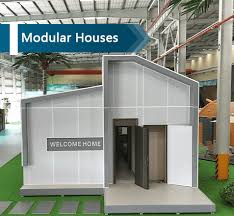
This construction approach involves manufacturing individual building modules in a controlled factory environment before transporting them to the project site for final assembly. Unlike temporary modular structures, Permanent Modular Construction creates long-lasting buildings that comply with local building codes, safety regulations, and quality standards. The finished structures are designed to perform just as effectively as conventionally built buildings while providing significant advantages in speed, consistency, and environmental responsibility.
The growing popularity of modular building systems is largely driven by the need to address housing shortages, commercial expansion, healthcare infrastructure development, and educational facility construction. As urban populations continue to increase and construction timelines become more demanding, Permanent Modular Construction offers a practical and highly scalable solution for modern building challenges.
Advantages of Permanent Modular Construction for Residential and Commercial Projects
One of the most significant advantages of Permanent Modular Construction is its ability to accelerate project delivery. Traditional construction projects often face delays caused by weather conditions, labor shortages, material availability, and on-site challenges. In contrast, modular construction allows building modules to be manufactured indoors while site preparation occurs simultaneously. This parallel workflow significantly reduces overall construction schedules and enables projects to reach completion much faster.
Quality control is another important benefit associated with Permanent Modular Construction. Since modules are built in a controlled factory setting, every stage of the manufacturing process can be carefully monitored and inspected. This environment reduces the likelihood of construction defects and ensures a consistent level of craftsmanship throughout the project. Advanced engineering techniques and precision manufacturing processes further contribute to the durability and reliability of modular structures.
Cost efficiency remains a key reason many developers choose Permanent Modular Construction. Factory-based production minimizes material waste, improves labor productivity, and reduces delays that can increase project expenses. These efficiencies often result in more predictable budgets and lower overall construction costs. For businesses and investors, this financial predictability can be particularly valuable when managing large-scale developments.
Sustainability has also become a major factor in the increasing adoption of modular construction.
Permanent Modular Construction supports environmentally responsible building practices by reducing waste generation, optimizing material usage, and improving energy efficiency. Many modular buildings incorporate green building materials, energy-saving technologies, and sustainable design features that align with modern environmental goals. As the construction industry continues to focus on reducing its carbon footprint, modular construction offers a compelling pathway toward more sustainable development.
Applications of Permanent Modular Construction Across Multiple Industries
Permanent Modular Construction is now used in a wide variety of sectors, demonstrating its flexibility and adaptability. The residential housing market has embraced modular construction as a solution for affordable housing, multifamily developments, student accommodations, and single-family homes. These projects benefit from faster completion times and consistent quality standards, making modular housing an increasingly attractive option for both developers and homeowners.
The healthcare sector has also recognized the advantages of modular construction. Hospitals, medical clinics, diagnostic centers, and healthcare facilities often require rapid expansion to meet growing community needs. Permanent Modular Construction enables healthcare providers to add new facilities quickly while maintaining strict compliance with medical building standards. The controlled manufacturing environment also helps ensure high levels of quality and safety throughout the construction process.
Educational institutions frequently utilize modular building systems to address increasing enrollment and campus expansion requirements. Schools, colleges, universities, and training centers can be developed more efficiently through Permanent Modular Construction, allowing students and staff to benefit from modern facilities without lengthy construction disruptions.
Commercial real estate projects represent another important area of growth for modular construction. Office buildings, hotels, retail centers, restaurants, and mixed-use developments can all be constructed using modular techniques. Modern modular architecture provides attractive designs and customizable layouts that meet the functional and aesthetic expectations of today's businesses and consumers.
Industrial facilities, government buildings, workforce housing projects, and hospitality developments are additional examples of sectors benefiting from Permanent Modular Construction. The versatility of modular building systems makes them suitable for projects ranging from small-scale developments to large and complex infrastructure initiatives.
Future Growth of Permanent Modular Construction Technology
The future of Permanent Modular Construction appears exceptionally promising as technological innovation continues to transform the construction industry. Advanced digital design tools, Building Information Modeling (BIM), automation systems, and smart manufacturing technologies are improving the efficiency and accuracy of modular production processes. These innovations allow construction professionals to optimize project planning, reduce errors, and enhance collaboration throughout the building lifecycle.
The increasing demand for sustainable infrastructure is expected to further drive the adoption of Permanent Modular Construction. Governments, developers, and organizations are actively seeking construction methods that reduce environmental impact while delivering high-quality results. Modular construction aligns closely with these objectives by promoting resource efficiency, waste reduction, and energy-conscious design.
Labor shortages remain a significant challenge for the traditional construction industry. Factory-based modular construction offers a more controlled working environment and helps reduce dependence on large on-site labor forces. This advantage allows projects to maintain productivity even when skilled labor availability becomes limited.
Architectural flexibility has improved considerably in recent years, allowing Permanent Modular Construction to support increasingly sophisticated building designs. Modern modular structures are virtually indistinguishable from conventionally built buildings, helping eliminate outdated misconceptions about modular construction quality and appearance. As public awareness and industry confidence continue to grow, modular construction is expected to play a larger role in shaping the future of global development.
Conclusion
Permanent Modular Construction is redefining modern building practices by delivering faster project completion, superior quality control, enhanced sustainability, and greater cost efficiency. Its ability to meet the demands of residential, commercial, healthcare, educational, and industrial sectors has established it as one of the most promising construction methods available today. As technology advances and the need for efficient, environmentally responsible building solutions continues to increase, Permanent Modular Construction is positioned to become a cornerstone of future construction and infrastructure development around the world.
43.242.176.119
shell
ผู้เยี่ยมชม
benducket3211@gmail.com
Luke Shaw
ผู้เยี่ยมชม
lukeshaw02@gmail.com
11 ก.ค. 2569 22:48 #1
AMC Concrete provides high-quality concrete installation and replacement services for a wide range of residential and commercial projects. Every project is completed using durable materials and proven techniques to ensure strength, functionality, and a clean finish. AMC Concrete takes pride in delivering dependable service and long-lasting concrete results that customers can trust.
43.242.176.121
Luke Shaw
ผู้เยี่ยมชม
lukeshaw02@gmail.com
Olly Snow
ผู้เยี่ยมชม
ollysnow44@gmail.com
14 ก.ค. 2569 14:41 #2
Veteran Roofing Systems delivers dependable roofing solutions that enhance the safety, durability, and appearance of your property. From minor roof repairs to complete roof replacements, every project is completed with precision and attention to detail. Veteran Roofing Systems takes pride in providing reliable service and high-quality workmanship for every customer.
182.190.209.177
Olly Snow
ผู้เยี่ยมชม
ollysnow44@gmail.com