
shell
ผู้เยี่ยมชม
benducket3211@gmail.com
Chongqing Xinjiang Europe Railway and International Freight Connectivity: Is This Transcontinental Rail Route Driving the Future of Eurasian Trade? (217 อ่าน)
3 มิ.ย. 2569 18:05
The Chongqing Xinjiang Europe Railway has become one of the most significant transportation corridors linking Asia and Europe. As global trade continues to expand, businesses increasingly require reliable, efficient, and cost-effective logistics solutions to move goods across international markets. This railway corridor has emerged as a powerful alternative to traditional shipping methods, providing faster transit times than sea freight while remaining more economical than air transportation.
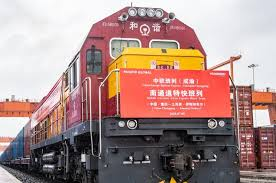
Running from Chongqing, one of China's major manufacturing and logistics centers, through the Xinjiang region and onward to Europe, the railway serves as a strategic bridge connecting production hubs with consumer markets. The route has strengthened economic ties between countries across Eurasia and has become an essential component of modern international supply chains.
In recent years, the importance of rail freight transportation has grown significantly due to changing trade patterns, increasing demand for efficient logistics, and the need for resilient supply chains. The Chongqing Xinjiang Europe Railway supports these objectives by offering a dependable transportation solution that enhances trade connectivity and promotes economic development across multiple regions.
Growing Influence of the Chongqing Xinjiang Europe Railway
The Chongqing Xinjiang Europe Railway has transformed freight transportation between China and Europe. Before the development of modern Eurasian rail corridors, businesses often relied on maritime shipping routes that required several weeks for goods to reach their destinations. While sea freight remains important, many companies now seek faster alternatives that allow them to respond more effectively to market demands.
The railway significantly reduces transportation times while maintaining competitive shipping costs. This advantage is particularly valuable for industries that depend on timely deliveries, including electronics manufacturing, automotive production, industrial equipment, consumer goods, and technology sectors. Faster transportation helps businesses improve inventory management and strengthen overall supply chain performance.
The route extends through key transit countries and connects numerous logistics centers across Eurasia. This extensive network enables efficient movement of cargo between major economic regions while supporting international trade growth. As a result, the railway has become an increasingly attractive option for exporters and importers seeking reliable transportation services.
The corridor also contributes to the diversification of global logistics networks. Businesses can reduce dependence on a single transportation method by incorporating rail freight into their supply chain strategies. This flexibility improves operational resilience and helps companies adapt to changing market conditions.
Economic Significance Across Eurasia
The economic impact of the Chongqing Xinjiang Europe Railway extends far beyond transportation. The railway has stimulated investment in infrastructure, logistics facilities, industrial parks, and distribution centers throughout the regions it serves. These developments create employment opportunities, encourage business growth, and support long-term economic expansion.
Chongqing has benefited greatly from its position as the starting point of the railway corridor. The city has strengthened its role as a major manufacturing and export center, attracting businesses that value efficient access to European markets. Enhanced international connectivity has encouraged foreign investment and increased the competitiveness of local industries.
The Xinjiang region occupies a strategic position within the railway network. Acting as a gateway between China and Central Asia, Xinjiang has become an important logistics hub supporting cross-border trade and freight transportation. Investments in rail infrastructure and transportation facilities have contributed to regional development and improved commercial activity.
The railway also supports broader economic cooperation among participating countries. Improved transportation links facilitate trade, encourage investment, and strengthen commercial relationships across Eurasia. As trade volumes continue to increase, the corridor plays a vital role in promoting regional integration and economic collaboration.
International businesses benefit from greater market access through the railway network. Manufacturers can efficiently distribute products across multiple countries, while importers gain access to diverse sources of goods. These advantages contribute to stronger trade flows and enhanced economic opportunities throughout the region.
Modern Logistics and Sustainable Transportation
Modern logistics systems have played a crucial role in the success of the Chongqing Xinjiang Europe Railway. Advanced technologies allow businesses to track shipments in real time, monitor cargo conditions, and improve transportation planning. These innovations enhance transparency and provide greater confidence in rail freight services.
Digital transformation within the logistics industry has improved operational efficiency throughout the railway corridor. Automated documentation systems, customs modernization initiatives, and integrated supply chain management solutions help reduce delays and streamline freight movement. Businesses benefit from improved visibility and more predictable delivery schedules.
Sustainability has become another important factor driving interest in rail transportation. Compared with air freight, rail freight generally produces lower carbon emissions while maintaining relatively fast transit times. As environmental concerns become increasingly important for businesses and governments, the railway offers a more sustainable option for international cargo transportation.
The growing focus on green logistics has encouraged many organizations to explore environmentally responsible shipping alternatives. The Chongqing Xinjiang Europe Railway aligns with these objectives by supporting efficient freight movement while reducing the environmental impact associated with global transportation networks.
Continued investment in infrastructure modernization is expected to further improve railway performance. Enhanced freight terminals, expanded rail capacity, and upgraded logistics facilities will strengthen the corridor's ability to accommodate increasing cargo volumes and support future trade growth.
Future Prospects for Global Trade Connectivity
The future of the Chongqing Xinjiang Europe Railway appears highly promising as international trade continues to evolve. Global businesses increasingly prioritize transportation solutions that offer speed, reliability, flexibility, and sustainability. The railway successfully addresses these requirements, positioning itself as a key component of modern supply chains.
Growing trade between Asia and Europe is expected to increase demand for efficient rail freight services. The railway's strategic location and established infrastructure provide a strong foundation for continued expansion. As logistics technology advances and transportation networks become more interconnected, the corridor will likely play an even greater role in facilitating international commerce.
Cross-border cooperation among participating countries will remain essential for maximizing the railway's potential. Continued improvements in customs procedures, infrastructure investment, and transportation coordination can enhance operational efficiency and support long-term growth. These efforts will strengthen the railway's competitiveness within the global logistics sector.
Businesses seeking dependable transportation solutions are likely to continue utilizing the Chongqing Xinjiang Europe Railway as part of their supply chain strategies. The corridor's ability to connect major production centers with key consumer markets ensures its ongoing relevance within the rapidly changing landscape of international trade.
Conclusion
The Chongqing Xinjiang Europe Railway has become a cornerstone of modern Eurasian trade and logistics. By providing a fast, reliable, and cost-effective connection between China and Europe, the railway has transformed international freight transportation and strengthened economic relationships across the continent. Its contributions to trade connectivity, regional development, supply chain efficiency, and sustainable transportation continue to enhance its global significance. As international commerce expands and logistics requirements evolve, the Chongqing Xinjiang Europe Railway is expected to remain one of the most important transportation corridors shaping the future of global trade.
43.242.176.183
shell
ผู้เยี่ยมชม
benducket3211@gmail.com